 Pyramid of Giza Tours
Home › Guides › Is It Safe to Visit the Pyramids of Giza? Touts, Scams and Tips
Is It Safe to Visit the Pyramids of Giza? Touts, Scams and Tips
Is it safe to visit the pyramids at Giza? For most visitors, yes: the plateau is an official ticketed site with set hours from 07:00 to a 16:00 last entry, and the risks travellers report are touts, pressure selling and scams rather than danger. This page gives the verdict, the common scams and how to avoid them, plus the guided Pyramid of Giza tour options that take most of the hassle away.
Quick answer The short safety verdict for the Giza pyramids
Yes, the Giza pyramids are safe to visit. The plateau is an official ticketed site with set hours. The US government advises increased caution in Egypt overall, and the problems visitors to the plateau most often report are touts, scams and pressure selling.
Key takeaways
- Book a Giza Pyramids and Sphinx Tour with a Camel Ride so a licensed guide takes the tout pressure off you.
- See the full range of pyramid of giza tour options, from sunrise visits to inside-the-pyramid entries.
- Short on time in Cairo? The Cairo Layover Tour From the Airport covers the pyramids and the Sphinx in one stop.
- Pair the plateau with the museums on a Giza Pyramids, Sphinx and Grand Egyptian Museum Tour with Lunch.
Is it safe to visit the pyramids in Egypt now?
Yes, for most visitors. The Giza Plateau is an official ticketed site open from 07:00 to a 16:00 last entry, and the risks visitors report are touts and scams.
The plateau is one of the most watched sites in Egypt, and your day there is shaped far more by touts than by any security threat.
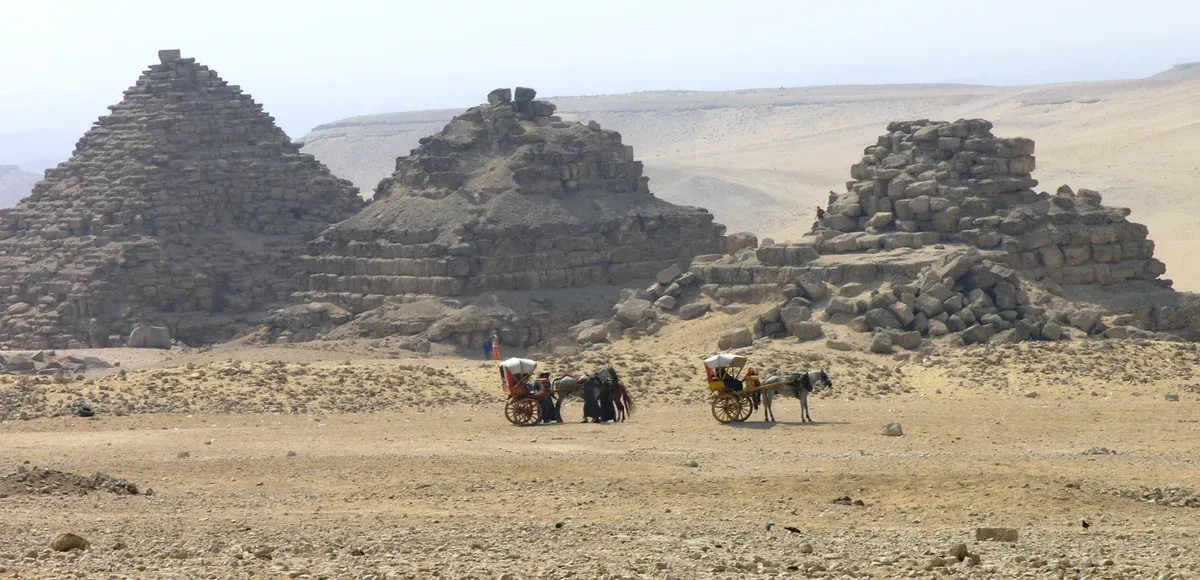
Horse carriages wait near the queens' pyramids. Photo: Daniel Mayer, CC BY-SA 4.0, via Wikimedia Commons
What the security picture looks like on the ground
The Pyramids of Egypt are among the most secure destinations in the country, with a robust security framework that includes military personnel and police. Visitors pass checkpoints before reaching the plateau, and the site is open every day. For your pyramid day this means you can plan a normal visit without worrying about closures or serious incidents.
The official opening hours confirm a stable daily routine. The Giza Plateau opens at 07:00 with last entry at 16:00 in both summer and winter schedules. During Ramadan the hours shift to an 08:00 opening with last entry at 15:30. Arrive at least one hour before closing and keep your ticket for the whole visit.
| Your risk at the pyramids | Reality |
|---|---|
| Violent crime | Statistically non-existent against tourists at the site |
| Serious security threats | Not the main risk, the plateau is heavily secured |
| Petty crime and pickpocketing | Occasional, in crowded areas |
| Tourist harassment and touts | The real daily nuisance, plan tactics for it |
Source: Egyptian Monuments Authority.
Is Egypt safe right now for US citizens?
The US government advises exercising increased caution in Egypt due to terrorism, crime and health, and caution in crowds, on public transportation, in rural areas and in isolated areas.
This is the official advisory position, and it applies to the whole country rather than to the plateau itself.
How the advisory applies to your pyramid day
Increased caution is a middle advisory level, not a warning against travel. The situations it flags, crowds, public transport, rural and isolated areas, are exactly the situations a guided day trip avoids. On a Giza Pyramids, Sphinx, Saqqara and Memphis Day Tour from Cairo you travel in an organised group with pickup and drop-off, so you never navigate public transport or isolated desert roads on your own.
The advisory also explains why the standard advice is to stay near the main tourist corridor. Cairo, Giza and the connected pyramid fields hold the heaviest security presence in the country. If you stay on that corridor your day looks nothing like the rural and isolated scenarios the advisory describes.
Source: US Department of State.
Is it safe for Americans to visit the pyramids?
Yes, Americans visit the pyramids in large numbers and face the same risks as any other foreign visitor, mainly touts and scams.
Nothing in the advisory or the security picture targets US visitors specifically.
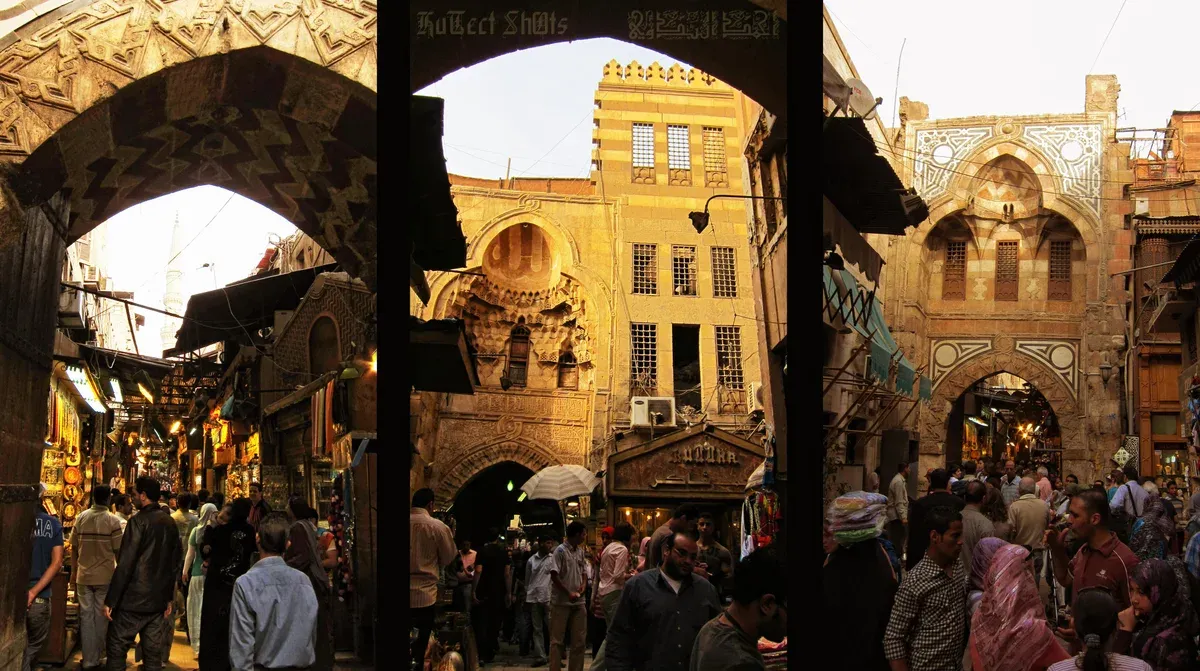
A street in the Khan el-Khalili souk. Photo: Ahmed Al.Badawy from Cairo, Egypt, CC BY-SA 2.0, via Wikimedia Commons
What Americans should arrange before the plateau
For US passport holders the practical preparation is administrative, not security related. Egypt runs an official e-visa portal, and the tourism fee is $30.00 for a single entry and $65.00 for multiple entries, paid by credit card on the portal. Sort that before you fly and your arrival in Cairo is a formality.
On the plateau itself your nationality changes nothing about the tout tactics. A guide who speaks English and knows which requests are legitimate is the simplest filter. On the Private Giza Pyramids Tour with Entry Inside the Great Pyramid the guide handles the tickets and the add-on fees, foreign adult entry inside Khufu is EGP 1,500 (about $27.09) on the official booking page, and you simply walk in with the group.
| Step | What you do |
|---|---|
| Before flying | Buy the e-visa on the official portal, $30.00 single entry |
| Before the plateau | Book a licensed guide or tour with pickup |
| At the gate | Keep your ticket, entry for foreign adults is EGP 700 (about $12.64) on the official ticketing site |
| On the plateau | Let the guide handle camel ride and photo offers |
Sources: Egypt e-Visa Portal, Egyptian Monuments Authority, US Department of State.
Is Giza safe for tourists who hate being hassled?
Giza is safe but harassment is real, one visitor reported being unable to walk 5 metres without being harassed by touts at the pyramids.
This is the honest part most operator pages soften, and it is the part you should prepare for.
Where the pressure happens and what it looks like
Touts concentrate at the entrances, along the walking routes between the pyramids and at the photo spots with the best views. The offers are camel rides, horse rides, photos, souvenirs and unofficial guiding. Actual risks at the pyramids centre on this tourist harassment and on petty crime rather than serious security threats, with occasional pickpocketing in crowded areas.
The pressure is persistent. The first-hand reviews matter here: one visitor described feeling very unsafe in Cairo and especially at the pyramids because of constant harassment. That visitor's experience does not match the violent-crime statistics, but it is a fair warning about how tiring an unguided day can feel.
A guide changes the equation completely. On a Giza Pyramids Sunrise Tour with a Camel Ride and Breakfast the camel ride is part of the itinerary at a fixed price of $67.00 per person, so the most common tout pitch disappears before it starts. The early start also puts you on the plateau ahead of the biggest crowds.
Tours That Fit
Guided days that remove the tout pressure and handle the tickets for you.
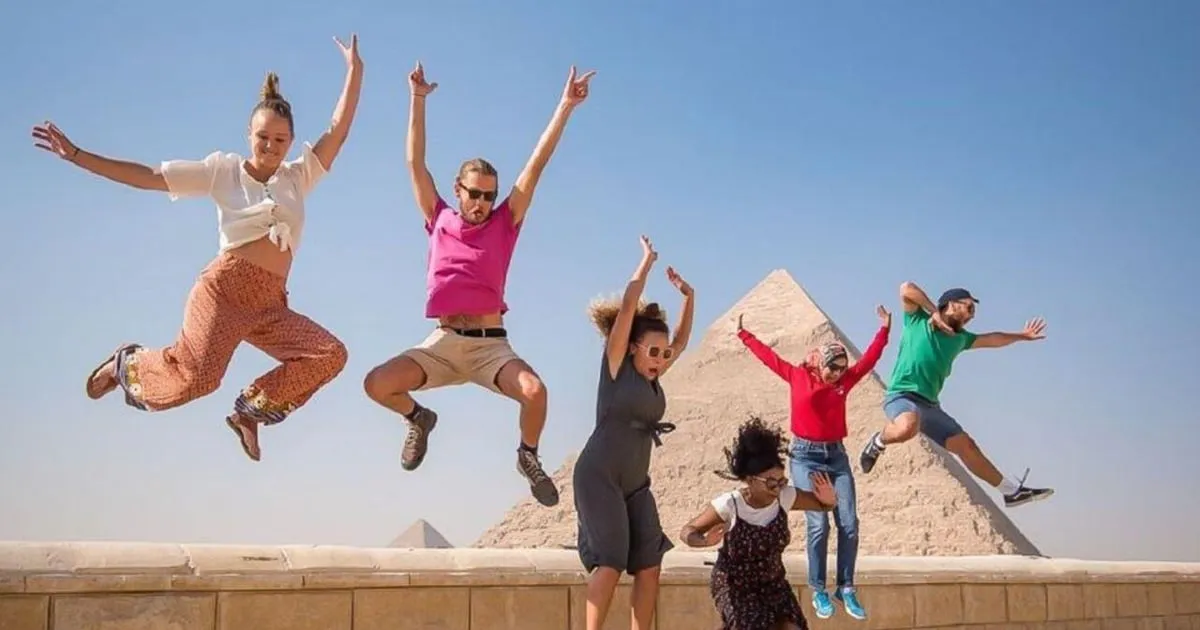
Giza Pyramids and Sphinx Private Tour with a Camel Ride
The classic half day, private: your own car, an Egyptologist, the plateau ticket already paid and a camel ride at the panorama point. Two shop stops are part of the day.
- Category
- Half day at Giza
- Cancellation
- Free cancellation 24h
- Operator
- Snefro Travel
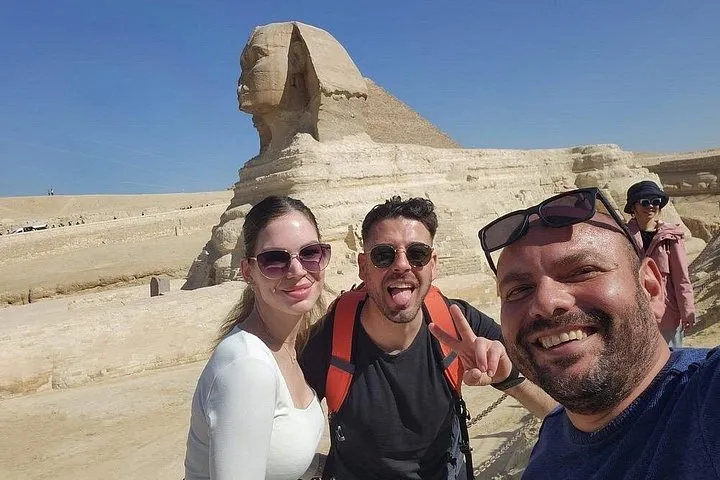
Private Giza Pyramids Tour with Entry Inside the Great Pyramid
The listing price is car and guide only. The option that takes you inside the Great Pyramid of Khufu, with the plateau ticket, lunch and a camel ride, is $100.
- Category
- Half day at Giza
- Cancellation
- Free cancellation 24h
- Operator
- A1 Egypt Private Day Tours
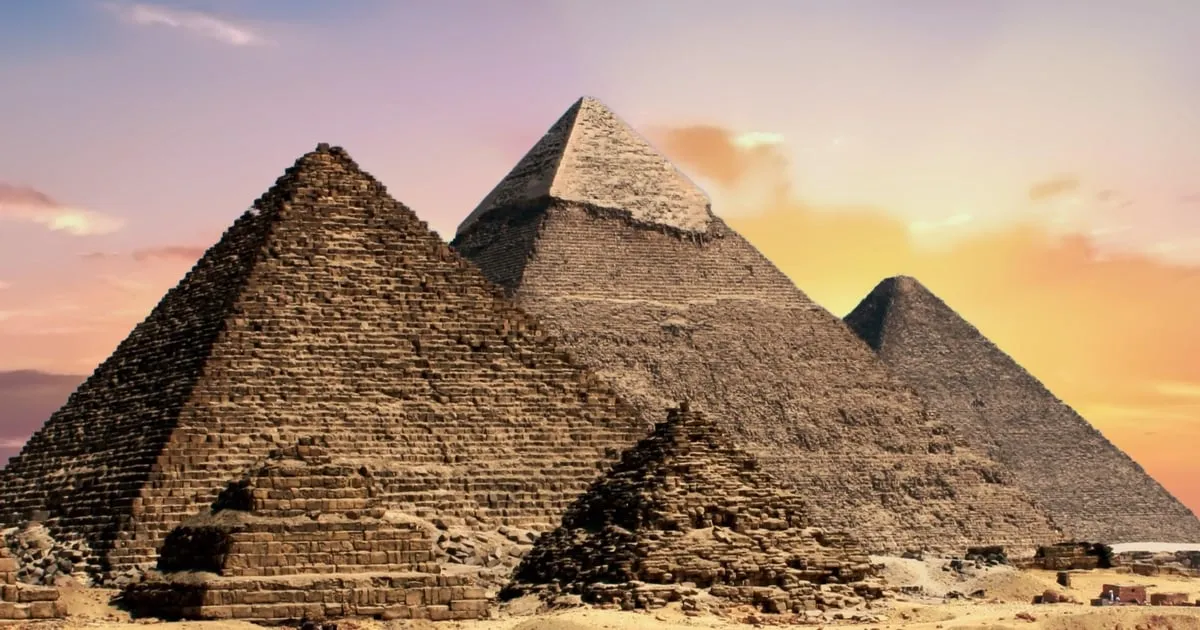
Giza Pyramids Sunrise Tour with a Camel Ride and Breakfast
A 5 am pickup and an hour on a camel or horse while the sun comes up behind the pyramids, then breakfast and two guided hours on the plateau before the heat.
- Category
- Half day at Giza
- Cancellation
- Free cancellation 24h
- Operator
- Egypt Excursions Online
What scams should I expect at the pyramids?
Expect the price games around camel rides, photos and unofficial guiding, plus occasional pickpocketing in crowded areas.
The scams at Giza are financial nuisances, not dangers, and they follow a pattern you can plan around.
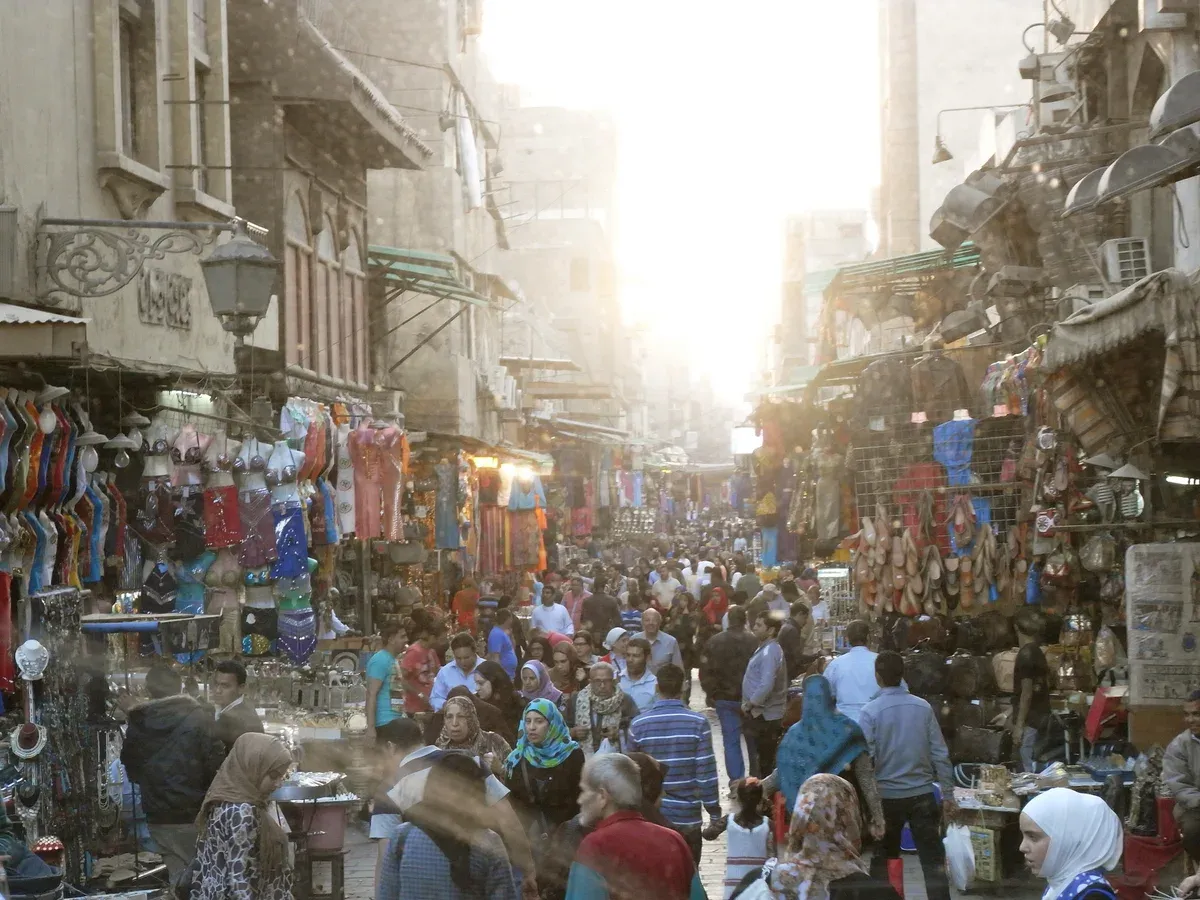
A busy lane in Khan el-Khalili. Photo: The Erica Chang, CC BY 3.0, via Wikimedia Commons
The three patterns to recognise
First, the unsolicited favour. Someone offers a photo, points out a view or hands you something, then asks for money. The rule is simple, decline anything you did not ask for and keep moving.
Second, the camel ride price game. A tout quotes one figure, the ride happens, then a much higher figure appears before you dismount. Book the ride in advance instead. On the Giza Pyramids and Sphinx Private Tour with a Camel Ride the camel ride is included in the $54.00 per person price, so there is no negotiation at all.
Third, unofficial guiding and ticket help at the gate. Buy entry on the official platform of the Ministry of Tourism and Antiquities, through the Experience Egypt app, at the on-site counters or at the self-service kiosks, all of which accept Visa and Mastercard. Ignore anyone who offers to arrange it for you.
| Situation | Safe move |
|---|---|
| Someone offers a photo or a favour | Decline before it starts, keep walking |
| Camel ride price changes after the ride | Book rides through a licensed tour instead |
| Unofficial guide at the gate | Buy tickets on egymonuments.com, the app or the official counters |
| Crowded viewpoint | Bag in front of you, phone zipped away |
Source: Egyptian Monuments Authority.
Is it safe to visit the pyramids without a guide?
Yes, the site is open and heavily secured, so an unguided visit is safe, it is just harder work against the touts.
Nothing stops a confident independent traveller, but know what you take on.
What going solo costs you in effort
Independent visitors can buy tickets on the official e-ticketing platform, where foreign adult entry to the plateau is EGP 700 (about $12.64) and foreign student entry is EGP 350 (about $6.32), and students need a valid ID with age not exceeding 24. Entry inside the Great Pyramid is a separate add-on at EGP 1,500 (about $27.09) for foreign adults and EGP 750 (about $13.55) for foreign students. Note that tickets bought there are non-refundable and cannot be replaced if lost.
Going solo means you handle transport, tickets, the add-on fees and every tout on the plateau yourself. Free entry applies to children under 6 and mobile phone photography is free of charge, so families get some savings back. If any part of that logistics sounds tiring after a long flight, a guided option such as the Quad Bike Pyramids Desert Safari at $40.00 per person gives you a fixed, contained desert experience with an operator present.
Sources: Egyptian Monuments Authority, Egyptian Monuments Authority.
Is Giza safe for women travelling alone and for families?
Yes, with the same caveat as everyone else, harassment is the risk to manage, not violence.
Solo women and families both ask the same question, and the answer is tactics plus timing.
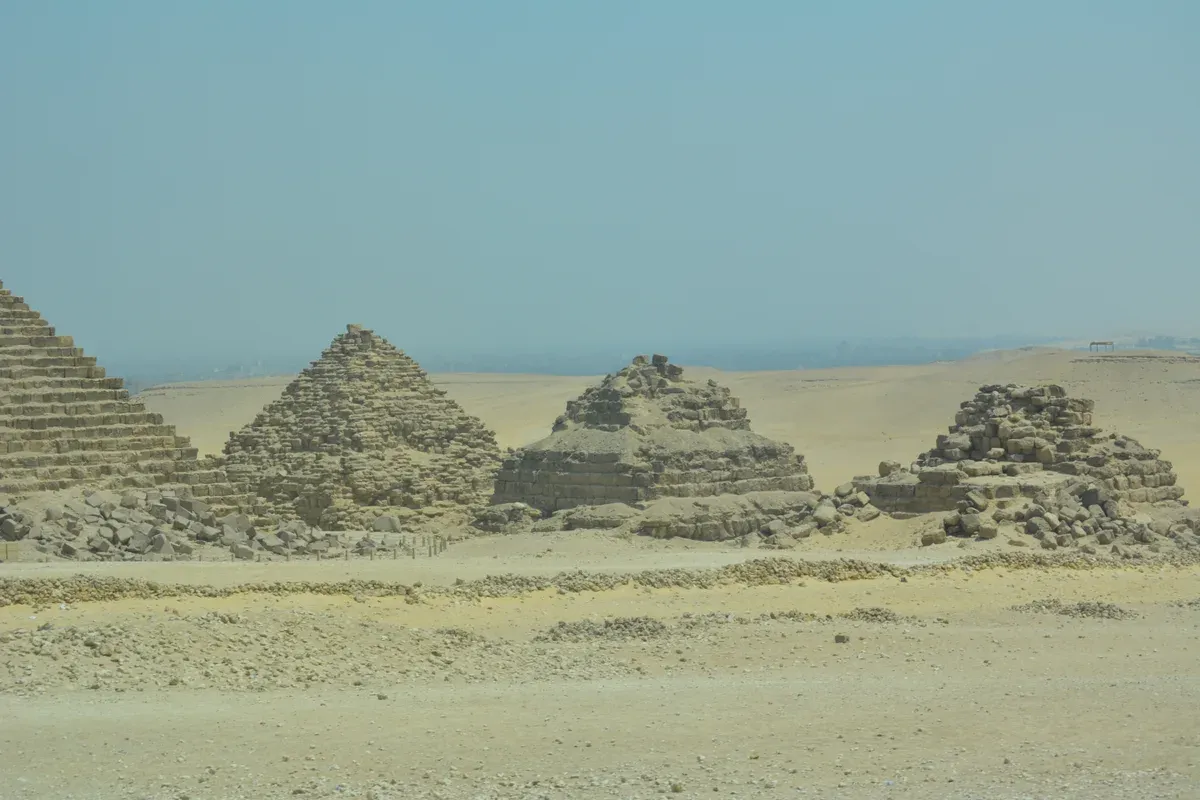
The three queens' pyramids at Giza. Photo: Sarbast.T.Hameed, CC BY-SA 4.0, via Wikimedia Commons
For solo women
The honest picture is that harassment is the dominant complaint, and one visitor described feeling very unsafe under constant harassment at the pyramids. Solo women should not let that become a reason to skip the pyramids, it is a reason to book structure around the visit. A private licensed guide, as on the Private Giza Pyramids Tour with Entry Inside the Great Pyramid, rated 5.0 from 1,819 reviews, gives you a single point of contact for the whole day.
Police and military personnel patrol the plateau, so there is always a uniformed presence to walk towards if a tout will not take no for an answer.
For families, the practical wins are entry rules, not security. Children under 6 enter free, mobile phone photography is free, and the plateau opens at 07:00 with last entry at 16:00. Arrive early, avoid the midday crowds where pickpocketing is reported, and keep the ticket safe because the site asks you to keep it for the whole visit.
Source: Egyptian Monuments Authority.
Is Giza safe at night?
The plateau closes to visitors at 16:00, so night visits happen only at organised events such as the official Sound and Light Show.
Your evening option at Giza is structured, not improvised.
The organised evening option
The Giza Plateau admits the last visitors at 16:00, and the site asks you to arrive at least an hour before closing, so independent night wandering is not part of a pyramid day. The organised evening activity is the Pyramids Sound and Light Show, run by Misr Company for Sound, Light and Tourism Development at Abu Alhol Square, Nazlet El-Semman, Giza. It is a ticketed event with a managed audience, which is the safe way to see the pyramids after dark.
The advisory's caution about isolated areas after dark applies to the wider streets around the plateau. Take a tour vehicle or a hotel-arranged car to and from any evening show rather than walking from nearby neighbourhoods.
Sources: Egyptian Monuments Authority, US Department of State.
What do I do if a tout will not leave me alone?
Refuse once, firmly and without stopping, and if the pressure continues walk to the police or military personnel who patrol the plateau.
A simple three-step script covers almost every situation at Giza.
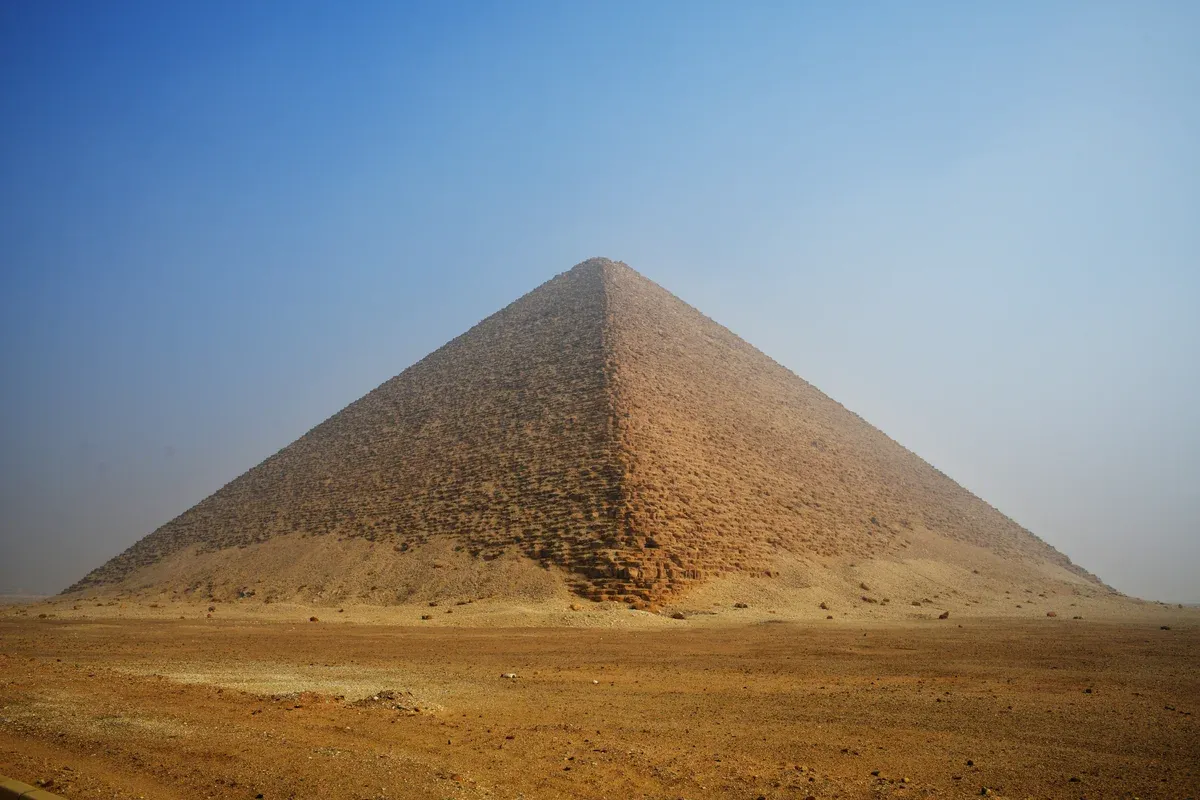
The Red Pyramid at Dahshur in morning light. Photo: Panegyrics of Granovetter, CC BY-SA 2.0, via Wikimedia Commons
The escalation path, step by step
Step one, refuse and keep walking. Say no without breaking stride. Most touts move to the next target when they see no engagement.
Step two, move toward people. The security framework at the pyramids includes police and military personnel, so walk toward the nearest uniformed post or toward the ticket office, both of which are staffed during opening hours from 07:00 to 16:00.
Step three, use your guide. If you booked a tour, any persistent tout is your guide's problem, not yours. On a group day such as the Hurghada to Cairo Day Trip by Road: Giza Pyramids, Sphinx and Museum the operator manages the timetable, the vehicle and the site time, so you only handle the sights.
The final habit is the pickpocketing defence. Petty crime appears in crowded areas, so keep your phone zipped away between photos and carry your bag in front of you at busy viewpoints.
Source: Egyptian Monuments Authority.
Can I bring a drone and photograph freely at the pyramids?
Drones are heavily restricted in Egypt and need a permit from the Egyptian Ministry of Defense, while phone cameras need no permission and cost nothing to use.
The photography rules are simple once you know the drone line.
Cameras yes, drones no
Photography with a mobile phone is free of charge at the plateau, and no permission is needed for a phone camera. A drone is a different matter, it needs a permit from the Egyptian Ministry of Defense, and flying without one creates a real problem with security personnel on a heavily secured site.
If you want a wider shot of the three pyramids, take it from the plateau itself on foot or from the desert side on an organised ride, and leave the drone at the hotel. Getting a Ministry of Defense permit before travel is only worth it for professional work.
Sources: Egyptian Monuments Authority, Egyptian Monuments Authority.
Questions Travellers Ask Before Booking
Is it safe to visit the pyramids with family and young children?
Yes. Children under 6 enter free, mobile phone photography is free, and the plateau runs a stable daily schedule with last entry at 16:00. Go early with a guide such as the Giza Pyramids and Sphinx Tour with a Camel Ride and you skip the crowds where pickpocketing happens.
Is it safe to travel to Egypt right now because of war?
The US advisory for Egypt is increased caution due to terrorism, crime and health, not a warning against travel, and the Giza Plateau sits in the country's most heavily secured tourist corridor with police and military personnel on site.
Why can't I wear white in Egypt?
The plateau rules list no ban on white clothing. Dress for a desert site and a conservative country, and save the white outfit for the hotel.
Is it safe to travel to Egypt alone as a woman?
Yes, with harassment named as the main nuisance rather than violence. Book a private licensed guide, refuse unsolicited offers without stopping, and walk toward the police and military personnel who patrol the plateau if pressure continues.
Is it safe to visit the pyramids without a tour?
Yes, the site is open and heavily secured. Independent visitors buy tickets on the official e-ticketing platform, foreign adult entry is EGP 700 (about $12.64), and the trade-off is handling transport, add-on fees and every tout yourself.
What does it cost to go inside the Great Pyramid?
Entry inside Khufu is a separate add-on on the official booking page at EGP 1,500 (about $27.09) for foreign adults and EGP 750 (about $13.55) for foreign students, or you can add it when booking a guided option such as the Private Giza Pyramids Tour with Entry Inside the Great Pyramid from $15.00 per person.
Do I need a visa to visit the pyramids?
Yes, most foreign visitors need an Egypt e-visa, and the official portal charges a $30.00 tourism fee for a single entry and $65.00 for multiple entries, paid by credit card.
Is the Grand Egyptian Museum area safe to add to a pyramid day?
Yes. GEM runs a managed ticketing system, last entry is one hour before the galleries close, and bags larger than 40 x 40 cm go to the cloakroom. The Giza Pyramids, Sphinx and Grand Egyptian Museum Tour with Lunch links both sites in one supervised day.
More Guides
- Cairo to Giza: How Far the Pyramids Are and How to Get There
The pyramids sit 13 to 15 km from central Cairo in 2027. The Line 2 metro takes 11 minutes. Compare every way across and see the prices.
- Giza Pyramids Facts: How Old, How Tall and Who Built Them
The pyramids were built between 2580 and 2500 BCE, over 4,500 years old. 2027 facts on age, height and builders. Compare tours.
- Giza Weather by Month and the Best Time to Visit the Pyramids
Giza weather in 2027: highs of 18.9°C in January and 35.0°C in July. Go at the 07:00 opening and compare tours.